Eco-Friendly & Low-VOC Cabinetry in Huntsville, AL
Huntsville Quality Kitchen Cabinets builds kitchen cabinets in Huntsville, AL using low-VOC finishes, formaldehyde-free sheet goods, and sustainably sourced hardwoods for homeowners who care about air quality and responsible materials.
Why Indoor Air Quality Matters in a Kitchen Cabinet Build
Most people don't think about what's in their cabinets — they think about what's on them. But standard cabinet construction involves materials that off-gas formaldehyde and VOCs (volatile organic compounds) for months or years after installation.
The main culprits are urea-formaldehyde resins used as binders in plywood and particleboard, and solvent-based lacquers used as cabinet finishes. Formaldehyde is a known respiratory irritant and classified carcinogen. VOCs from solvent lacquers include toluene, xylene, and acetone — not compounds you want continuously off-gassing inside the kitchen where you spend hours daily.
This is a growing concern among Huntsville homeowners — especially in the Madison County area, where a large number of households include young children, people with respiratory conditions, or families who are simply paying attention to what's in their home. We offer clear alternatives at every material and finish decision point.
What Causes Off-Gassing in Standard Cabinets
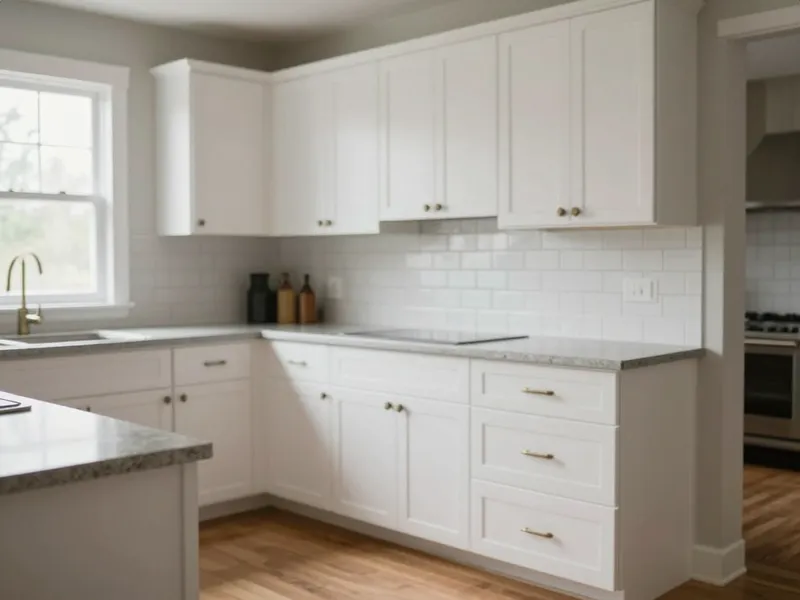
Urea-formaldehyde binders in plywood and MDF are the biggest source. Standard plywood uses UF resins that release formaldehyde gas, especially in warm conditions — and Alabama summers produce plenty of those. Solvent-based lacquers add VOC load both during application and for extended periods after curing.
What We Substitute Instead
We use CARB Phase 2 compliant or NAF (no added formaldehyde) plywood and MDF where sheet goods are required. For finishes, we use waterborne conversion varnish or waterborne polyurethane — same hardness and durability as solvent lacquers, without the VOC content.
Sustainable Material Options We Offer
FSC-Certified Hardwoods
Forest Stewardship Council certification means the wood was harvested from a forest managed for long-term sustainability — responsible replanting, protection of biodiversity, and fair labor practices. We can source FSC-certified oak, maple, cherry, and walnut on request. Pricing is typically 10–20% higher than standard lumber due to the certification chain of custody.
CARB Phase 2 / NAF Plywood
California Air Resources Board Phase 2 sets the most stringent formaldehyde emission standards for composite wood panels in the US. We use CARB Phase 2 compliant plywood as our baseline. For clients who want zero formaldehyde content, we specify NAF (no added formaldehyde) panels — formaldehyde-free binders throughout.
Reclaimed Wood Accents
Reclaimed wood — salvaged from old barns, factories, or demolished structures — reduces demand for new-growth timber and has already off-gassed any VOCs from its previous use. We use reclaimed wood selectively for open shelving, island faces, and floating shelf elements where the character and patina of aged wood is part of the design intent.
Bamboo Cabinetry
Bamboo is technically a grass, not a wood, and regrows in 3–5 years versus 30–80 years for hardwoods. It has a Janka hardness comparable to red oak (1,380) and a very clean, contemporary grain. Available in strand-woven and flat-pressed configurations. Best suited for modern, minimalist kitchen designs.
Water-Based Low-VOC Finishes
Waterborne conversion varnish has largely closed the performance gap with solvent lacquers. Modern formulations cure to a hard, chemical-resistant film with VOC content under 100 g/L — compared to 500–700 g/L for traditional solvent lacquers. We use waterborne systems from Sherwin-Williams, Target Coatings, and ML Campbell depending on the application.
What You Can Expect to Pay More For
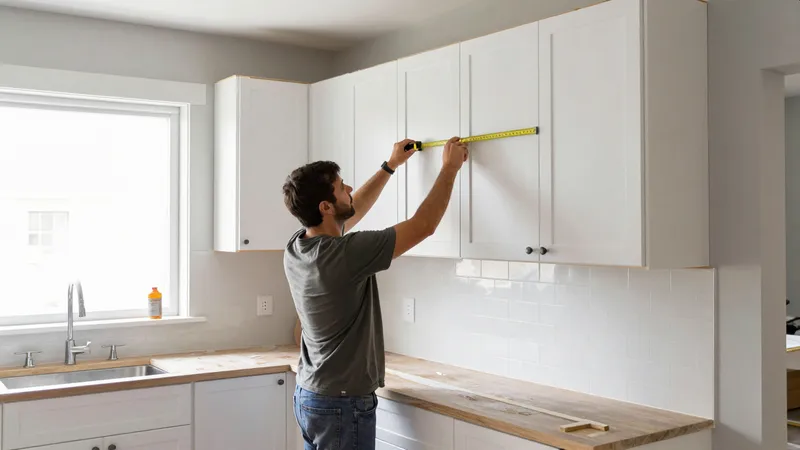
Eco-friendly materials cost more in most cases. Here's an honest breakdown of where the premium is and where it isn't. We'll give you straight answers about what actually makes a meaningful difference for your household.
| Material / Choice | Cost Difference | Worth It? |
|---|---|---|
| CARB Phase 2 Plywood (vs. standard) | Minimal — usually under 5% | Yes — now a standard we use by default |
| NAF (No Added Formaldehyde) Plywood | +10–15% on sheet goods | Yes for families with respiratory sensitivities |
| FSC-Certified Hardwood | +10–20% on lumber costs | Yes if sustainable sourcing is a priority |
| Waterborne Finish (vs. solvent) | Comparable or slightly less | Yes — performance is equivalent, lower VOC |
| Reclaimed Wood Accents | Variable — depends on source | Yes for design intent; not cost-effective for full cabinets |
| Bamboo Cabinetry | +15–25% vs. standard hardwood | Yes for the right modern aesthetic; not universal |
Cabinets That Are Better for Your Home and Your Family
Talk to us about which eco-friendly options make sense for your project. We'll give you straight answers about cost, availability, and what actually makes a meaningful difference.